



Ice Dam Prevention
Protect Your Home From New Hampshire’s Toughest Winters
Don’t Let Ice Dams Damage Your Home
Ice dams are one of the most common — and most destructive — winter roofing problems in New Hampshire. When heat escapes through your roof, it melts snow that refreezes at the eaves, forming a ridge of ice that traps water on your roof. That standing water works its way under shingles and into your home, causing damage to ceilings, walls, insulation, and structural framing. Apex Exteriors provides proven prevention solutions that address the root causes — not just the symptoms.
- Ice and water shield membrane installation
- Attic insulation and air sealing upgrades
- Roof ventilation assessment and improvement
- Heat cable systems for persistent problem areas
- Emergency ice dam removal when damage is imminent
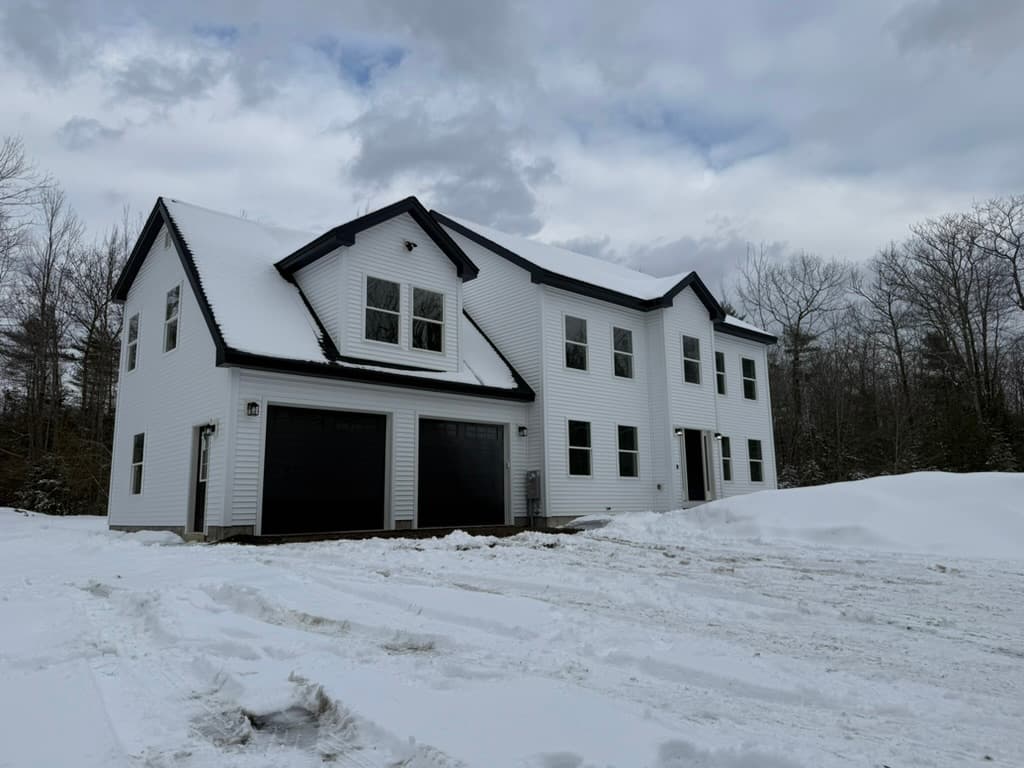
Ice & Water Shield Installation
Ice and water shield is a self-adhering membrane applied directly to the roof deck before shingles are installed. It creates a watertight barrier along eaves, valleys, and other vulnerable areas where ice dams are most likely to form. This underlayment prevents meltwater from seeping beneath your shingles and into your home — even when ice has backed up at the roof edge.
- Applied along eaves, valleys, and around penetrations
- Self-sealing membrane blocks water even under standing ice
- Required by code in cold climates — we exceed minimum coverage
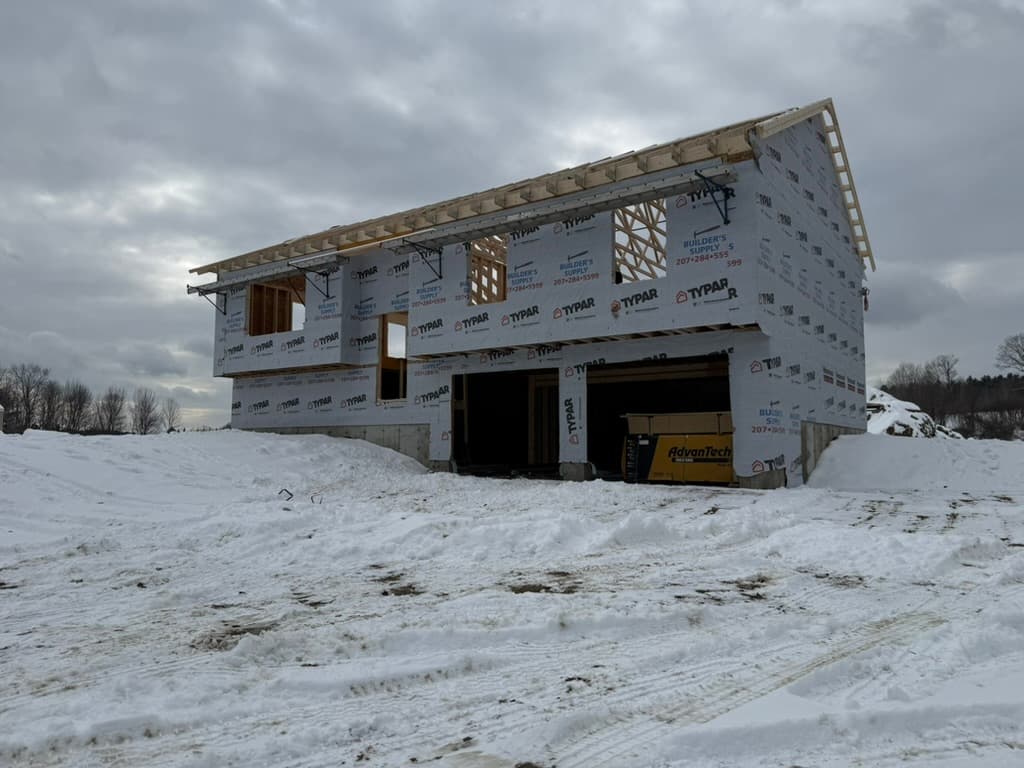
Attic Insulation & Air Sealing
Most ice dams form because warm air escapes into the attic, heating the roof deck unevenly. Snow melts on warm sections and refreezes at the colder eaves, creating a dam. Proper attic insulation and air sealing keeps heat where it belongs — inside your living space — and maintains a consistent roof surface temperature that prevents ice dam formation.
- Insulation upgrades to meet or exceed R-49 recommendations
- Air sealing around penetrations, ducts, and light fixtures
- Reduces heating costs while preventing ice dam formation
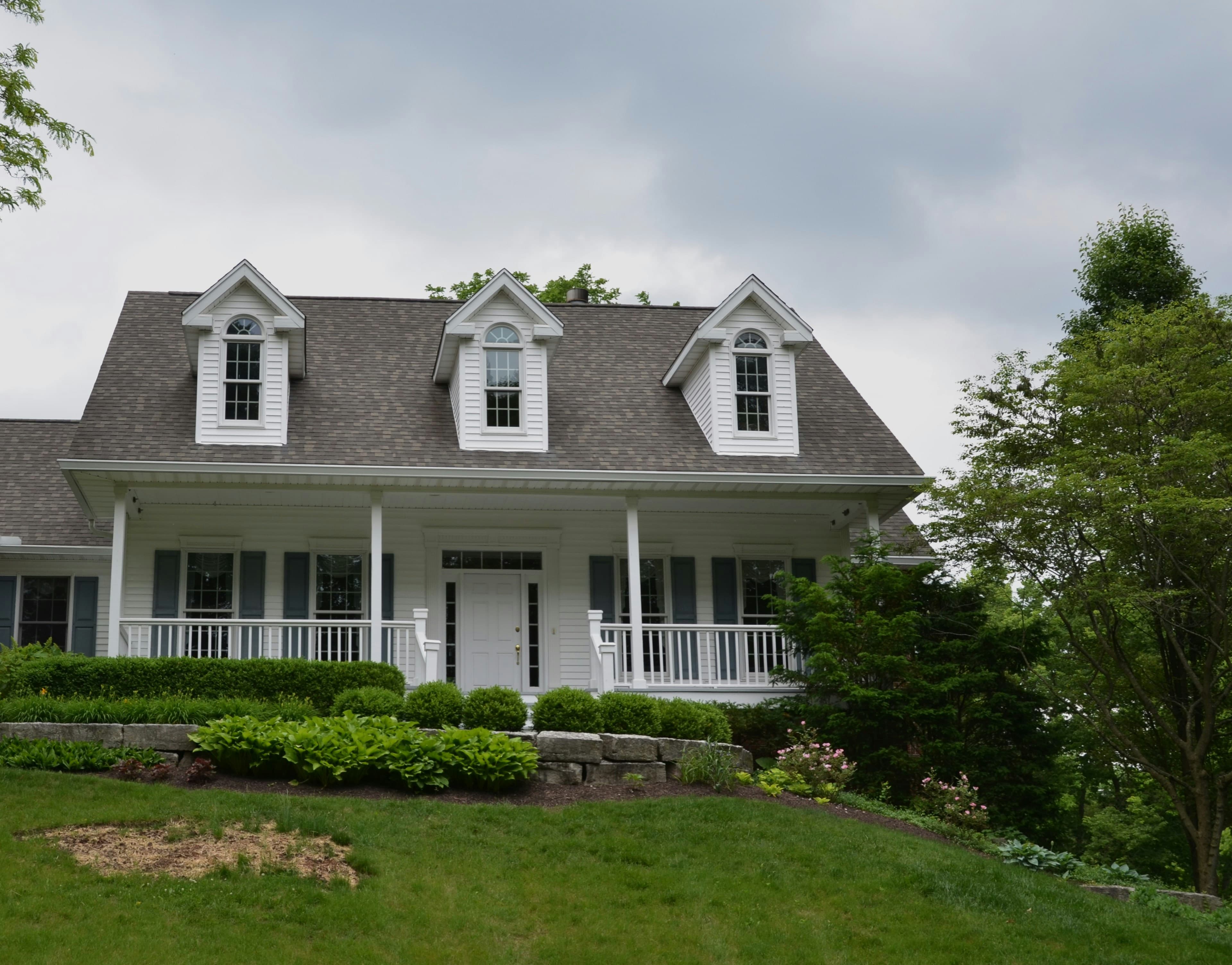
Roof Ventilation Improvements
A well-ventilated attic allows cold outside air to circulate beneath the roof deck, keeping it uniformly cold. This prevents the uneven melting cycle that leads to ice dams. We assess your existing ventilation system and install ridge vents, soffit vents, or baffles as needed to achieve proper intake-to-exhaust balance.
- Ridge vent and soffit vent installation
- Baffle installation to maintain airflow at eaves
- Balanced intake and exhaust for optimal performance
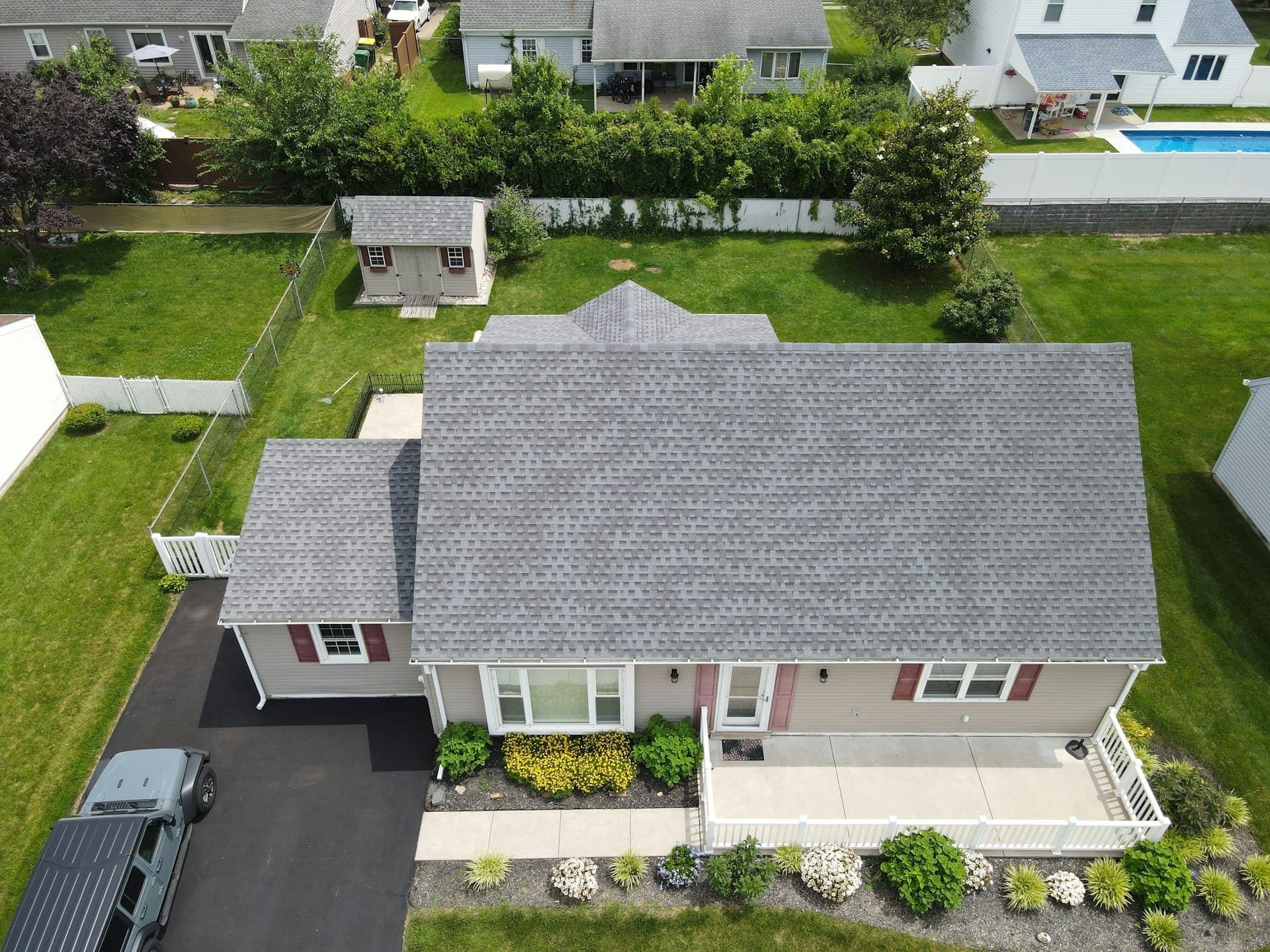
Heat Cable Systems
For roofs with complex geometry, multiple valleys, or persistent problem areas, heat cable systems provide an active defense against ice damming. Self-regulating cables are installed along eaves and in gutters, producing just enough warmth to keep water flowing freely off the roof during freezing conditions.
- Self-regulating cables that adjust output to temperature
- Installed along eaves, valleys, and inside gutters
- Low energy consumption with thermostat or sensor control